Fresh Dates
Nature's candy, soft and juicy.
- Calories: ~66 per Medjool date
- Carbohydrates: ~18g
- Protein: ~0.6g
- Fat: <0.2g
- Key Nutrients: Potassium, Magnesium, Vitamin B6

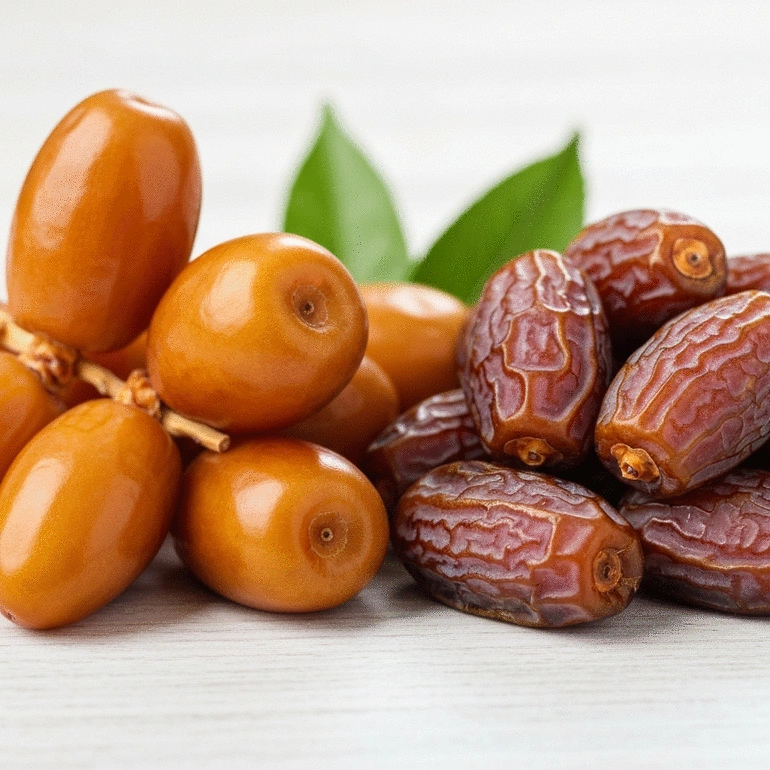
Have you ever tasted a fresh date and wondered how it compares to a dried one? Both varieties bring their own unique flavors and nutritional benefits, making them versatile additions to your diet. Let's explore the essential differences that will enhance your appreciation for these delightful fruits.
Delve into the nutritional differences and characteristics of fresh and dried dates.
As a date enthusiast, I often get asked about the differences between fresh and dried dates. Both types are delicious, but they bring unique nutritional benefits to the table. Let's dive into what sets them apart, starting with fresh dates.
Fresh dates are nature's candy! Their soft and juicy texture makes them a favorite among health-conscious consumers. They are typically harvested from the date palm tree and are known for their rich, sweet flavor and impressive nutritional profile.
When it comes to caloric content, fresh dates are relatively low when compared to many other snacks. A standard fresh Medjool date contains about 66 calories, making it a great option for a sweet treat without guilt. According to the USDA FoodData Central, fresh dates provide a good energy source.
This unique balance of macronutrients allows fresh dates to provide a quick source of energy, perfect for pre- or post-workout snacks!
Fresh dates are not just tasty; they are also packed with essential vitamins and minerals. Here’s a quick highlight of what you can find in these delightful fruits:
These nutrients make fresh dates an excellent addition to a balanced diet!
Now, let’s turn our attention to dried dates. While they retain many of the same nutrients, the drying process alters their composition. Dried dates are often more concentrated in flavor and nutrients, which can make them a versatile ingredient in your pantry. The USDA FoodData Central also offers detailed nutritional information on dried dates, highlighting their concentrated benefits.
Dried dates are much denser in calories compared to their fresh counterparts. For instance, a single dried Medjool date contains around 77 calories. This increased caloric density is due to the removal of water content during the drying process. However, they also provide significant fiber, with about 2 grams per date, aiding in digestion and promoting a feeling of fullness. This makes them a great option for supporting overall digestive health, as good nutrition is often linked to various bodily functions.
Just like fresh dates, dried dates are rich in vital nutrients. Here’s what to expect:
Including dried dates in your diet can be an excellent way to boost your nutrient intake!
When it comes to choosing between date varieties, Medjool and Deglet Noor are two of the most popular. Both have their strengths, making them suitable for different occasions.
Medjool dates are known for their large size and rich, caramel-like flavor, while Deglet Noor dates are smaller and have a firmer texture with a more delicate sweetness. Here’s a quick comparison:
Whether you're snacking or incorporating dates into recipes, understanding these differences can help you choose the right variety for your needs!
Did you know that incorporating dates into your daily diet can improve your overall health? The natural sugars in dates provide a quick energy boost, making them an excellent pre-workout snack. Additionally, their high fiber content can promote digestive health and help you feel fuller for longer. Consider adding chopped dates to your morning oatmeal or salads for a nutritious and delicious twist!
When it comes to dates, understanding the differences in taste, texture, and shelf life is essential for enjoying these delicious fruits to their fullest. At Fruit Fresh Dates, we pride ourselves on offering a range of fresh dates, each with a unique flavor profile that can elevate your culinary experience. Let’s dive into what makes fresh and dried dates special!
Fresh dates are often celebrated for their juicy and tender texture. When you bite into one, you’ll experience a burst of natural sweetness that is both satisfying and refreshing. The flavor is mild, making them a perfect addition to various dishes. One of my personal favorites is enjoying fresh dates as a snack on their own or paired with cheese for a delightful contrast!
Fresh dates truly shine when it comes to their texture. The soft, chewy consistency makes them perfect for snacking, and their natural sweetness can complement many dishes, from salads to desserts. You might find that fresh dates are not just a treat but also a versatile ingredient!
On the other hand, dried dates offer a more concentrated flavor. The drying process enhances their sweetness, making them a fantastic option for those who enjoy a richer taste. As someone who has sampled countless varieties, I can attest that dried dates can provide an energy boost that’s hard to beat!
This chewy texture coupled with intense sweetness makes dried dates ideal for energy bites, smoothies, or even as a natural sweetener in recipes. Their flavor is robust and pairs beautifully with nuts and spices, adding a delightful punch to your meals!
To enjoy dates at their best, understanding how to store them properly is key. Fresh dates have a shorter shelf life compared to their dried counterparts, so it’s important to follow some simple guidelines.
By refrigerating fresh dates in an airtight container, you can keep them juicy and flavorful. It’s best to enjoy them relatively quickly, as their freshness diminishes over time.
Dried dates can be quite forgiving when it comes to storage. Kept in a cool, dark place, they can last for many months, allowing you to enjoy them whenever you like. Their long shelf life means you can stock up and always have a nutritious snack on hand!
If you’re like me and want to savor the taste of fresh dates for as long as possible, consider the following preservation methods to extend their life:
By freezing fresh dates, you can enjoy their deliciousness even months later! Vacuum sealing dried dates helps keep them fresh and flavorful, ensuring you always have a sweet treat ready to go. At Fruit Fresh Dates, we’re committed to maintaining the quality of our products so you can enjoy them in various forms all year round!