Home >

Organic and Conventional Fresh Dates

Organic and Conventional Fresh Dates

Organic vs Conventional Fresh Dates: What You Need to Know
Salim Al-Farouqi | 2025-11-09

What if every bite of a date could tell you a story about the way it was grown? Understanding the nuances between organic and conventional fresh dates not only enhances your culinary experience but also empowers you to make choices that align with your values.

What You Will Learn

  • Organic fresh dates are cultivated without synthetic pesticides or fertilizers, promoting environmental sustainability.
  • Conventional dates often involve synthetic chemicals to boost yield, impacting taste and nutrition.
  • Organic certification ensures strict adherence to sustainable farming practices, fostering consumer trust.
  • Choosing between organic and conventional dates depends on personal health goals, budget, and flavor preferences.

Organic vs. Conventional Fresh Dates: A Comparative Overview

Delve into the distinctions between organic and conventional fresh dates, exploring their cultivation methods, certifications, and consumer implications. This comparison highlights key aspects to help you make informed choices.

Organic Fresh Dates: Cultivation & Benefits

  • ๐ŸŒฑ

    Natural Pest Control: Utilizes beneficial insects & plant diversity.

  • ๐ŸŒ

    Soil Health: Crop rotation & composting enrich soil.

  • ๐ŸŒฟ

    Minimal Processing: Preserves natural sweetness & nutrients.
Conventional Fresh Dates: Farming & Availability

  • ๐Ÿ“ˆ

    Increased Yield: Higher production rates meet demand.

  • ๐Ÿงช

    Use of Chemicals: Synthetic fertilizers & pesticides common.

  • ๐Ÿญ

    Standardized Practices: Focus on consistent appearance & shelf-life.

Impact & Certification

  • โœ…

    Organic Certification: Ensures strict organic standards & integrity.

  • โš–๏ธ

    Consumer Trust: Labels build confidence in sustainable purchases.

  • ๐Ÿท๏ธ

    Market Differentiation: Helps products stand out in competitive markets.

Consumer Choices & Values

  • โค๏ธ

    Health Benefits: Organic dates often higher in antioxidants, lower pesticide residue.

  • ๐Ÿ’ฐ

    Budget: Conventional dates generally more affordable, wider availability.

  • ๐Ÿ˜‹

    Flavor Preferences: Both types offer distinct tastes; personal preference guides selection.

Understanding the Essentials of Organic and Conventional Fresh Dates

When it comes to fresh dates, the distinction between organic and conventional can shape your experience and choices significantly. At Fruit Fresh Dates, we take pride in sourcing top-quality dates that cater to different consumer preferences. Understanding the key differences in how these dates are grown and processed is essential for making informed choices!

What Are Organic Fresh Dates and How Are They Grown?

Organic fresh dates are cultivated using methods that prioritize environmental sustainability and health. These dates are grown without synthetic pesticides or fertilizers, allowing the plants to thrive naturally. This approach not only supports the ecosystem but also enhances the flavor and nutritional profile of the dates, ensuring that every bite is as wholesome as possible.

  • Natural Pest Control: Organic farmers often utilize beneficial insects and plant diversity to naturally manage pests.
  • Soil Health: Practices like crop rotation and composting enrich the soil, promoting healthy growth.
  • Minimal Processing: Organic dates often undergo less processing, preserving their natural sweetness and nutrients.

By opting for organic fresh dates, you're not just treating yourself to a delicious snack; you're also supporting sustainable farming practices that benefit the planet! Studies, like those highlighted by The Organic Center, suggest that the yield gap between organic and conventional farming is often lower than previously thought, demonstrating the viability of these sustainable methods.

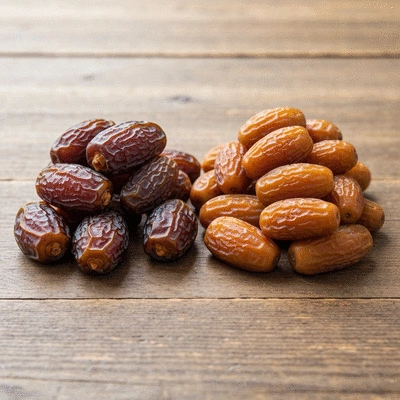
Organic fresh dates on a rustic wooden table next to conventional dates, clearly distinguishable, with natural lighting.

Defining Conventional Fresh Dates: Farming Techniques and Practices

Conventional fresh dates, while still delicious, are typically grown using a different set of agricultural practices. These methods often involve the use of synthetic fertilizers and pesticides to boost yield and control pests. This approach can lead to higher production rates, making conventional dates more widely available and often more affordable. For instance, the U.S. Department of Agriculture (USDA) provides valuable data on agricultural production, showcasing the scale of conventional farming.

  • Increased Yield: Conventional farming techniques can result in larger harvests, providing more dates to meet consumer demand.
  • Use of Chemicals: Farmers may utilize synthetic chemicals to protect crops and enhance growth, ensuring consistent appearance and shelf-life.
  • Standardized Practices: Conventional methods often follow standardized processes that may limit biodiversity in farming.

While conventional dates can still be a part of a healthy diet, being aware of these practices can help you make decisions that align with your values!

The Role of Organic Certification in Fresh Date Production

Organic certification plays a crucial role in the fresh date industry. This certification ensures that the dates have been grown according to strict organic standards, which include regulations on pesticide use, soil management, and environmentally friendly practices. At Fruit Fresh Dates, we emphasize the importance of organic certifications as they guarantee product integrity and quality! The organic seal, for example, is instrumental in boosting consumer confidence in the date market.

  • Third-Party Verification: Independent organizations verify compliance with organic standards, providing transparency for consumers.
  • Consumer Trust: Organic labels help consumers feel more confident in their purchases, knowing they are supporting sustainable practices.
  • Market Differentiation: Organic certification allows businesses to differentiate their products in a competitive marketplace.

Understanding organic certification helps you choose products that align with your health and ethical standards. Itโ€™s not just about what you eat; itโ€™s about how it impacts the world around us!

Pro Tip

When shopping for fresh dates, consider trying a variety of types! Each variety, whether itโ€™s Medjool, Ajwa, or Sukkari, offers unique flavors and textures. Experimenting with different dates can enhance your culinary creations, from smoothies to desserts, and even savory dishes. Donโ€™t hesitate to mix them up in a fruit platter for a delightful tasting experience!

Frequently Asked Questions about Organic and Conventional Fresh Dates

What is the main difference between organic and conventional fresh dates?
Organic fresh dates are grown without synthetic pesticides, fertilizers, or genetically modified organisms (GMOs), emphasizing natural pest control and soil health. Conventional dates typically utilize synthetic chemicals to maximize yield and ensure consistent appearance.
Are organic dates healthier than conventional dates?
Organic dates often have higher antioxidant levels and lower pesticide residues due to their natural cultivation methods. While both are nutritious, some consumers prefer organic for these health-related benefits and reduced chemical exposure.
Why are organic dates often more expensive?
Organic farming practices can be more labor-intensive and yield smaller harvests compared to conventional methods, leading to higher production costs. The rigorous certification process also adds to the overall price.
How can I tell if a date is organic?
Look for an organic certification label on the packaging, such as the USDA Organic seal in the United States or similar certifications in other regions. These labels assure that the product meets strict organic standards.
Do organic and conventional dates taste different?
Some people report a richer or more natural flavor in organic dates, which they attribute to the healthier soil and absence of synthetic chemicals. However, flavor is subjective, and both types offer distinct tastes depending on the variety and ripeness.

Wrapping Up Your Knowledge on Organic and Conventional Fresh Dates

As we wrap up our exploration of organic and conventional fresh dates, it's essential to reflect on the key aspects that influence your choices as a consumer. Understanding the health benefits and farming practices behind these delightful fruits allows you to appreciate them even more. Whether you lean towards organic dates for their sustainable farming methods or prefer conventional ones for their availability, each has unique advantages worth considering.

  • Health Benefits: Organic dates tend to have higher antioxidant levels and lower pesticide residues, promoting better health.
  • Farming Practices: Organic farming utilizes natural methods that enhance soil health and biodiversity, while conventional practices often focus on maximizing yield.
  • Flavor and Freshness: Personal taste plays a significant role in selecting between the two types, as each offers distinct flavors and textures.

At Fruit Fresh Dates, we prioritize quality and authenticity, ensuring that our customers can make informed choices about the dates they purchase. We believe that understanding where your food comes from makes every bite more meaningful!

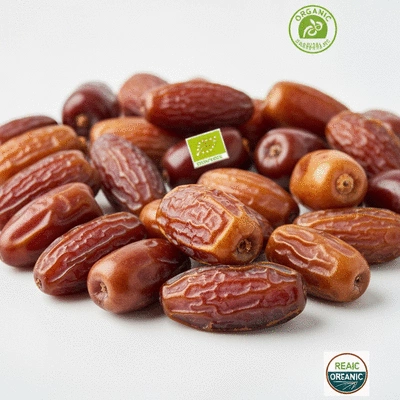
A close-up shot of various fresh dates on a clean white background, showcasing their natural textures and colors, with some organic certification labels subtly visible.

Empowering Your Choices: Making Informed Decisions Based on Preferences

When it comes to choosing between organic and conventional fresh dates, the decision often boils down to personal preference and values. Each type of date has its own charm, and knowing what you want can help guide your selection. Here are some factors to consider:

  • Health Goals: If you prioritize health and sustainability, organic dates may be your top choice.
  • Budget: Conventional dates are generally more accessible in terms of price, making them a practical option for many.
  • Flavor Preferences: Test out both types to discover which one tickles your taste buds more!

Ultimately, the best choice is the one that aligns with your lifestyle and values. We encourage you to explore both organic and conventional dates, as each can bring something unique to your diet!

Recap of Key Points

Here is a quick recap of the important points discussed in the article:

  • Organic Fresh Dates: Grown without synthetic pesticides or fertilizers, promoting sustainability and enhancing flavor.
  • Conventional Fresh Dates: Typically grown with synthetic chemicals, leading to higher yields and more widespread availability.
  • Organic Certification: Ensures adherence to strict standards, providing transparency and consumer trust in organic products.
  • Health Benefits: Organic dates often have higher antioxidant levels and lower pesticide residues compared to conventional dates.
  • Personal Preference: Your choice may depend on health goals, budget, and flavor preferences, making it essential to explore both options.
Subscribe & Share

About Fruit Fresh Dates

We are dedicated to sourcing the finest, freshest dates from the Middle East. Experience premium quality, natural sweetness, and a taste of authenticity in every bite. Your health and satisfaction are our priority.