Date Palm Water Needs
Date palms require significant water, necessitating careful resource management.

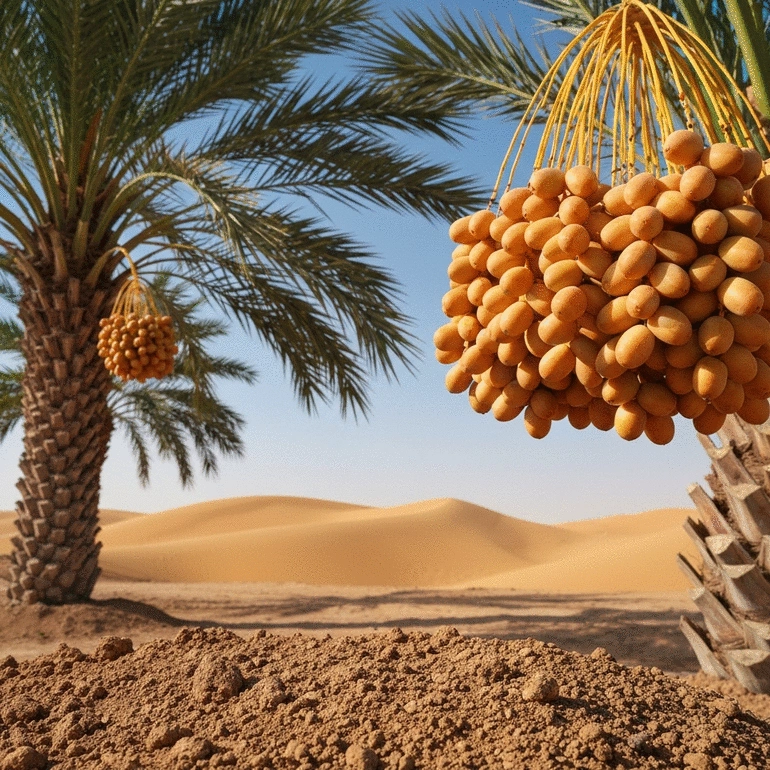
As the world grapples with pressing environmental issues, the significance of sustainable practices in agriculture has never been clearer. How do date farming practices in the Middle East impact both local cultures and the environment? Understanding this connection is key to promoting ecological wellness while honoring tradition.
Date farming, a historic Middle Eastern tradition, faces environmental challenges. This overview highlights key issues like water management and carbon footprint, alongside sustainable solutions for a greener future.
Date palms require significant water, necessitating careful resource management.
Date farming in the Middle East is more than just an agricultural practice; it’s a deep-rooted tradition that has shaped cultures and economies for centuries. The date palm, with its majestic fronds and delicious fruits, holds historical significance in this region, being an integral part of diets and livelihoods. As a date enthusiast myself, I appreciate not only the sweet flavors but also the cultural heritage that these trees embody. Understanding the historical context of date farming is essential to grasping its current environmental implications.
Throughout history, date palms have been cultivated in arid landscapes, serving as a vital food source and a symbol of resilience. These trees thrive in harsh conditions, providing sustenance in the form of nutrient-rich dates, which are not only tasty but have remarkable health benefits. The interconnection between date farming and local customs is evident; families have passed down cultivation techniques, celebrating the harvest through festivals and communal gatherings.
The cultivation of date palms has a rich history that dates back thousands of years. In ancient Mesopotamia, dates were revered as a staple food and were often used in religious ceremonies. Today, this tradition continues in many Middle Eastern countries, where dates are still a key part of social and cultural practices.
As I connect with farmers from trusted sources, I can see how they honor this legacy, ensuring that the methods of cultivation remain sustainable while preserving their heritage. This balance is crucial as we explore the environmental impact of such practices.
When we talk about the environmental impact of date farming, we refer to various factors that affect the ecosystem, such as water use, soil health, and biodiversity. These factors significantly influence not only the quality of the dates produced but also the surrounding environment. At Fruit Fresh Dates, we are committed to promoting practices that minimize negative impacts while enhancing the positive aspects of date cultivation.
Understanding the environmental impact involves assessing how date palms interact with their surroundings. For instance, the extensive root systems of date palms can help prevent soil erosion while also providing shade for other crops. However, it’s essential to manage these benefits wisely to avoid over-exploitation of resources.
Date palms contribute significantly to their ecosystems. Besides yielding delicious fruits, they provide essential services that support local biodiversity. These trees create habitats for various wildlife, including birds and insects, which play a crucial role in pollination and pest control. As we source our dates from trusted farms, we ensure that these ecosystems are respected and maintained.
The importance of date palms goes beyond just being a crop; they are a vital part of the ecosystem. As I reflect on this, I’m reminded of how crucial it is for us to adopt sustainable practices that protect these trees and the environments they anchor.
Water resource management in date farming is a pressing concern, especially in the arid climates of the Middle East. The question arises: how much water do date palms need to thrive? Understanding their water footprint is essential for sustainable cultivation.
On average, date palms require around 100-200 liters of water per day during the growing season, depending on the locality and climate conditions. This significant water need calls for careful management to ensure that we’re not depleting resources. At Fruit Fresh Dates, we recognize the importance of responsible water use and are committed to innovative solutions that support both the trees and the surrounding communities.
Did you know? Implementing drip irrigation not only conserves water but also ensures that date palms receive the precise amount of moisture they need. This technique minimizes water waste and promotes healthier soil, ultimately leading to more robust date production.
As a date enthusiast and someone who deeply values the agricultural heritage of the Middle East, I’ve seen firsthand the environmental challenges that date farming faces. It's essential to grasp how these challenges intertwine with sustainable practices that can lead to a brighter future for both farmers and the ecosystem. Here are some key points to consider:
Addressing these points will require collective efforts from farmers, policymakers, and consumers alike. We can all play a part in promoting practices that not only enhance date farming but also protect our environment.
With the growing demand for fresh dates, it's crucial to balance productivity with ecological integrity. The significant challenges date farmers face include:
However, innovative solutions are on the rise. By employing sustainable practices such as drip irrigation and integrated pest management, farmers can significantly reduce their environmental impact. At Fruit Fresh Dates, we are committed to sourcing from farms that implement these practices, ensuring that our products are both delicious and sustainable!
Policymakers have a crucial role in shaping the future of date farming. By creating regulations that encourage sustainable practices, they can help farmers transition to more eco-friendly methods. Important actions include:
By supporting these initiatives, policymakers can ensure the longevity of the date industry while also protecting the environment for future generations.
Sustainable date farming doesn't just benefit the environment; it also has significant economic advantages for local communities. Here’s how:
When farmers embrace sustainability, they not only contribute to environmental health but also build stronger, more resilient communities. At Fruit Fresh Dates, we celebrate these efforts and strive to connect consumers with these innovative farmers!
The primary environmental challenges include water scarcity and over-extraction, the carbon footprint from traditional farming methods, and soil degradation and pollution caused by pesticide and fertilizer use.
Date palms generally require around 100-200 liters of water per day during their growing season, depending on the specific location and climatic conditions.
Key sustainable solutions include drip irrigation for water efficiency, integrated pest management to reduce chemical use, and carbon sequestration through date palms to combat climate change.
Policymakers can encourage sustainable practices by providing incentives for efficient irrigation, offering education and training programs for farmers, and funding research for new technologies in soil health and pest management.
Sustainable date farming leads to improved crop yields and profitability, creates local job opportunities, and enhances market access for eco-friendly products, thereby strengthening local economies.
Now that we’ve explored the environmental impact and economic benefits of sustainable date farming, you might be wondering how you can get involved. Supporting sustainable practices is easier than it seems!
One way to support sustainability in date farming is by getting involved with local agricultural initiatives. You can:
Connecting with these initiatives allows you to contribute directly to the sustainability movement and create meaningful change in your community.
Your purchasing decisions matter! By choosing to buy dates from brands that prioritize sustainability, like Fruit Fresh Dates, you’re making a positive impact. Here are some tips:
Every time you choose wisely, you help promote a healthier planet. Together, our consumer choices can drive demand for eco-friendly products!
Biodiversity is vital for a healthy ecosystem, and sustainable agriculture practices play a key role in conserving it. You can contribute by:
By actively promoting biodiversity, we support the health of the environment and the longevity of date farming practices. Let's work together to ensure that future generations can enjoy the rich flavors and nutritional benefits of dates!
Here is a quick recap of the important points discussed in the article: