Home >

Organic and Conventional Dates Explained

Organic and Conventional Dates Explained

Organic and Conventional Dates Explained
Salim Al-Farouqi | 2026-01-16

With the rising trend towards health consciousness, understanding the difference between organic and conventional dates can significantly influence your choices. Are you aware of what truly sets these two types apart? Let's explore the essential insights you need to make informed decisions.

What You Will Learn

  • Organic Dates: Cultivated without synthetic pesticides or fertilizers, enhancing flavor and health benefits.
  • Certification Importance: Look for USDA Organic and other certifications for assurance of quality and sustainability.
  • Flavor and Quality: Organic dates are often fresher and harvested at peak ripeness, leading to superior taste.
  • Pricing Insights: Conventional dates may be cheaper but often involve trade-offs in quality and environmental impact.
  • Consumer Trends: Growing demand for organic products reflects increasing health and wellness awareness among consumers.

Organic vs. Conventional Dates: Key Differences

A comparison of key characteristics between organic and conventional dates to help inform your choice.

Organic Dates

Growing Practices

No synthetic fertilizers, pesticides, GMOs. Focus on soil health & biodiversity.

Certifications

USDA Organic, Non-GMO Project Verified, local organic certs.

Quality & Flavor

Richer flavor, superior texture, often fresher & sweeter.

Pricing

Typically higher due to natural methods & certifications.

Conventional Dates

Growing Practices

May use synthetic pesticides & fertilizers. Focus on scale & yield.

Certifications

USDA Certified (general), Fair Trade Certified, Non-GMO Verified.

Quality & Flavor

Good taste & convenience, but can be compromised by methods.

Pricing

Generally more affordable due to production scale & methods.

Understanding the Key Differences: Organic vs. Conventional Dates

As a date enthusiast, I often get asked about the differences between organic and conventional dates. Understanding these differences is essential, especially when you’re selecting the best products for your health or business. At Fruit Fresh Dates, we prioritize quality, which directly ties into these distinctions. Let’s dive in and explore!

What Are Organic Dates and How Do They Differ?

Organic dates are cultivated without the use of synthetic fertilizers, pesticides, or genetically modified organisms. Instead, they rely on natural growing practices that promote soil health and biodiversity. This commitment to natural farming not only enhances the flavor of the dates but also ensures they’re free of harmful chemicals. But what does it really mean for the consumer?

Certification Standards: USDA Organic and Beyond

To be labeled as organic, products must meet strict regulations set by the USDA. This includes various certification processes that guarantee compliance with organic standards. For instance, the USDA National Organic Program (NOP) outlines comprehensive guidelines for organic agricultural products. Additionally, consumers should look for certifications that might go beyond USDA, such as those from organic farming associations. These certifications reflect a higher commitment to sustainability and quality.

  • USDA Organic: Meets federal standards for organic farming.
  • Non-GMO Project Verified: Ensures no genetically modified organisms.
  • Local Organic Certifications: Often tailored to regional practices.

Choosing certified organic dates means you're supporting sustainable farming practices while enjoying a product that’s both delicious and nutritious!

Growing Practices and Pesticide Use: The Impact on Quality

Organic farming practices focus on maintaining soil health and reducing environmental impact. This often leads to a richer flavor profile and superior texture compared to conventional dates. In contrast, conventional farming may utilize synthetic pesticides and fertilizers, which can compromise both the taste and health benefits of the dates. One study published by PMC (PubMed Central) on organic food production highlights the stringent regulations for pesticide use in organic agriculture, emphasizing the difference in chemical exposure.
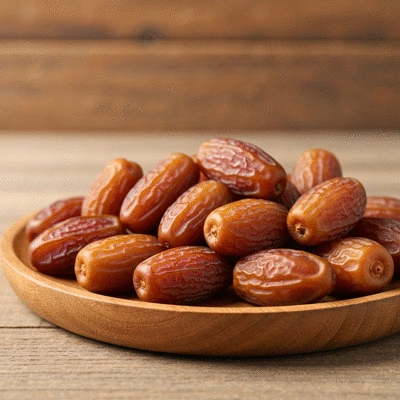
Close-up of fresh organic dates on a wooden platter with a rustic background

For instance, organic dates are often harvested at their peak ripeness, providing a fresher, sweeter taste that many consumers prefer. This attention to quality is a significant reason I believe in sourcing only organic options for Fruit Fresh Dates.

Exploring Conventional Dates: Quality and Availability

Conventional dates are widely available and typically more affordable than their organic counterparts. While they may not offer the same health benefits as organic dates, they still provide great taste and convenience for many consumers.

Common Certifications and What They Mean for Consumers

Even conventional dates can have certifications that assure consumers of their quality. Here are a few common certifications to look for:

  • USDA Certified: Signifies compliance with USDA growing standards, albeit not organic.
  • Fair Trade Certified: Ensures fair wages and working conditions for farmers.
  • Non-GMO Verified: Indicates no genetically modified ingredients.

These certifications help consumers make informed choices, but it's essential to recognize that they don't always guarantee the same level of quality as organic dates.

Pricing Insights: Why Conventional Dates Are Often Cheaper

Pricing for conventional dates tends to be lower due to the scale of production and the use of less expensive farming methods. However, it’s crucial to consider that lower prices often come with trade-offs in terms of environmental impact and potential pesticide exposure. For example, research on pesticide residues in conventional produce shows that while levels are generally safe, organic options offer a way to minimize this exposure. At Fruit Fresh Dates, we believe that investing in high-quality organic dates brings greater value in the long run!
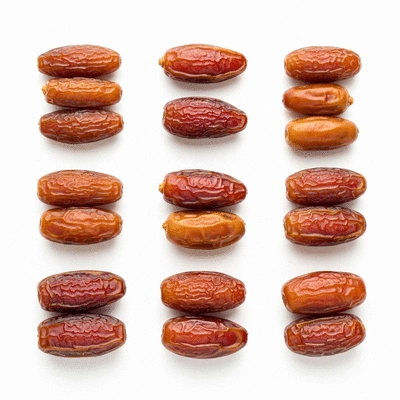
A display of various date varieties, some organic and some conventional, showcasing their differences in texture and color

Pro Tip

When selecting dates, always consider the source. Look for suppliers who prioritize transparency and ethical practices. This not only ensures you receive high-quality products but also supports sustainable farming methods that benefit the environment and local communities.

Summarizing Key Takeaways: Choosing the Right Dates for Your Needs

When it comes to selecting the right dates, it's essential to consider both cost and quality. As a date enthusiast at Fruit Fresh Dates, I understand that these factors can greatly influence your purchasing decisions. So, what should you prioritize? Here are a few key aspects to think about:

  • Quality of the Product: Are you looking for the rich flavors of organic dates, or are conventional dates sufficient for your needs?
  • Pricing: Can you find ways to budget for organic options, or do conventional dates fit better within your financial plans?
  • Consumer Health: Are you catering to health-conscious customers who prefer organic products?

Balancing these considerations can help guide you in making an informed decision that aligns with your business goals. For example, if your target market is leaning toward organic products, investing in quality may pay off in the long run!

Understanding Consumer Preferences: Trends in Organic and Conventional Choices

The evolving market trends show a growing interest in organic dates. As the owner of Fruit Fresh Dates, I've witnessed firsthand how consumers are becoming more health-conscious and demanding quality. It’s important to understand these preferences and how they can affect your inventory decisions:

  • Health and Wellness: Many consumers are increasingly aware of the benefits of organic foods, driving demand for organic dates.
  • Flavor and Freshness: Shoppers often associate organic dates with superior taste and freshness, leading them to prefer these options.
  • Ethical Sourcing: Consumers appreciate knowing their food is sourced sustainably and ethically, a hallmark of organic products.

By keeping these trends in mind, you can better cater to your customers' preferences and position your offerings effectively in the market.

The Role of Food Safety and Quality Assurance in Your Selection

Food safety and quality assurance are paramount when choosing dates for your business. At Fruit Fresh Dates, we prioritize transparency and high standards in our sourcing practices. Here are some factors to consider:

  • Certifications: Look for organic certifications like USDA Organic, which can indicate adherence to safety standards.
  • Supplier Reputation: Choose suppliers known for their commitment to quality and ethical sourcing.
  • Traceability: Ensure that the dates can be traced back to their origin, providing peace of mind regarding safety.

By focusing on these aspects, you can confidently select dates that not only meet your quality expectations but also align with food safety standards.

Engaging with Suppliers: Next Steps for Wholesale Buyers

Requesting Samples and Quotes: How to Start the Conversation

Once you’ve identified your date preferences, taking the next step to engage with suppliers is essential. At Fruit Fresh Dates, I recommend starting with these approaches:

  • Request Samples: Always ask for samples before making a bulk purchase. This allows you to evaluate the quality firsthand.
  • Inquire About Pricing: Don't hesitate to ask for quotes to compare options and negotiate better deals.
  • Discuss Your Needs: Clearly communicate your specific requirements and expectations to ensure the supplier can meet them.

These steps will help you establish a solid relationship with your suppliers and ensure you get the best product for your business!

Leveraging Industry Resources and Trade Associations for Better Deals

Engaging with industry resources and trade associations can also enhance your purchasing experience. Here are some valuable resources to consider:

  • Trade Shows: Attend events focused on organic and conventional produce to connect with suppliers directly.
  • Online Forums: Participate in discussions within industry forums to gain insights and tips from other buyers.
  • Associations: Join associations related to fresh produce to stay informed about market trends and resources available to members.

By leveraging these resources, you can enhance your knowledge and negotiate better deals, ensuring your business thrives in the competitive date market.

Frequently Asked Questions About Organic vs. Conventional Dates

Q: What are the main differences between organic and conventional dates?
A: Organic dates are grown without synthetic pesticides, fertilizers, or GMOs, focusing on soil health and biodiversity. Conventional dates may use these synthetic methods, often resulting in lower prices and wider availability but potentially different health benefits and environmental impacts.
Q: Why are organic dates generally more expensive?
A: Organic dates are typically more expensive due to higher production costs associated with natural farming methods, stricter certification processes, and often smaller-scale operations that prioritize quality over mass production.
Q: What certifications should I look for when buying organic dates?
A: Look for the USDA Organic seal, which ensures compliance with federal organic farming standards. Other beneficial certifications include Non-GMO Project Verified and local organic certifications, which can further guarantee sustainability and quality.
Q: Are conventional dates safe to eat?
A: Yes, conventional dates are generally safe to eat. While they may be grown using synthetic pesticides and fertilizers, these are typically within regulated safety limits. However, some consumers prefer organic options to minimize exposure to these chemicals.
Q: Do organic dates taste better than conventional dates?
A: Many consumers and experts, including myself, find that organic dates often have a richer flavor and superior texture. This is often attributed to natural growing practices and harvesting at peak ripeness, which enhances their sweetness and freshness.

Recap of Key Points

Here is a quick recap of the important points discussed in the article:

  • Organic Dates: Free from synthetic fertilizers, pesticides, and GMOs, enhancing flavor and health benefits.
  • Certification Standards: Look for USDA Organic and other certifications for assurance of quality and sustainability.
  • Flavor and Freshness: Organic dates are often harvested at peak ripeness, providing a superior taste.
  • Conventional Dates: More affordable and widely available, but may lack the same health benefits.
  • Food Safety: Prioritize suppliers with strong reputations and transparent sourcing practices.
  • Consumer Trends: Increasing demand for organic products, emphasizing health and ethical sourcing.
  • Engaging Suppliers: Request samples and quotes to ensure product quality and meet specific needs.
Subscribe & Share

About Fruit Fresh Dates

We are dedicated to sourcing the finest, freshest dates from the Middle East. Experience premium quality, natural sweetness, and a taste of authenticity in every bite. Your health and satisfaction are our priority.